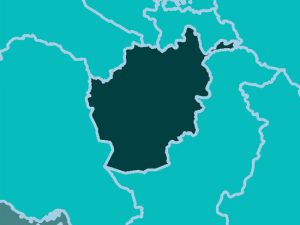
Women and young girls from marginalized communities in the Netherlands often face multiple barriers that limit their access to opportunities and social inclusion. These challenges include language difficulties, cultural isolation, systemic inequalities, and sadly, experiences of gender-based violence. Such obstacles create environments where their voices can be silenced and their potential overlooked.
According to UNICEF, over 3.7 million girls are currently out of school. This widespread exclusion from formal education has deeply impacted their future prospects and personal development.
Reports from organizations such as Human Rights Watch and Amnesty International highlight ongoing gender-based violence, intimidation, and harassment directed at women who seek to continue their education or work. These threats create a climate of fear that further discourages women from pursuing their rights.
In addition to these challenges, Afghan women face strict dress codes and mobility restrictions, often requiring a male guardian’s permission to leave their homes. These limitations severely restrict their participation in social, economic, and public life.
The ongoing crisis has also taken a toll on mental health, with increasing cases of anxiety, depression, and trauma among women and girls. Isolation and uncertainty about their futures contribute to these growing concerns.
In response, international organizations and NGOs have turned to online education and digital platforms as vital alternatives. These remote learning programs provide safe spaces for girls to continue their education despite school closures and restrictions.
Programs like online English classes have proven effective not only in developing language skills but also in boosting self-confidence and digital literacy. These skills open new doors for empowerment and connection to global opportunities.
Lorem ipsum dolor sit amet, consectetur adipiscing elit. Ut elit tellus, luctus nec ullamcorper mattis, pulvinar dapibus leo.
Given the severe restrictions on girls’ education, our online English classes provide a crucial alternative, enabling young Afghan women to continue learning safely from their homes. These classes not only teach language skills but also open pathways to further education, scholarships, and remote employment opportunities—helping them build a foundation for independence and hope.
Recognizing the profound mental health challenges faced by young people in Afghanistan, we also prioritize mental health support as part of our programs. Through counseling, peer support groups, and awareness workshops conducted online, we strive to create safe spaces where young women can express their experiences, find solidarity, and access resources to cope with trauma, anxiety, and depression.
By combining education with mental health support, we aim to empower Afghan women holistically—equipping them with knowledge, resilience, and confidence to face the many challenges ahead.
In Afghanistan access to education for many young women has…
Women for Change International seeks to advocate and work in the preservation of the human rights of all women and girls.
© 2026 – Women for Change International