Our Impact
Decades of conflict, displacement, and instability have left deep and lasting wounds on the mental health of the Afghan people. In a country where mental health care is scarce, underfunded, and heavily stigmatized, the Mental Health Platform Afghanistan project is working to change what support looks like, and who can access it.
Through this program, we are working to reach 1,000 people across Afghanistan, connecting them with mental health support that has, for many, never been accessible before. This goal reflects both the depth of the need and our commitment to meeting it.
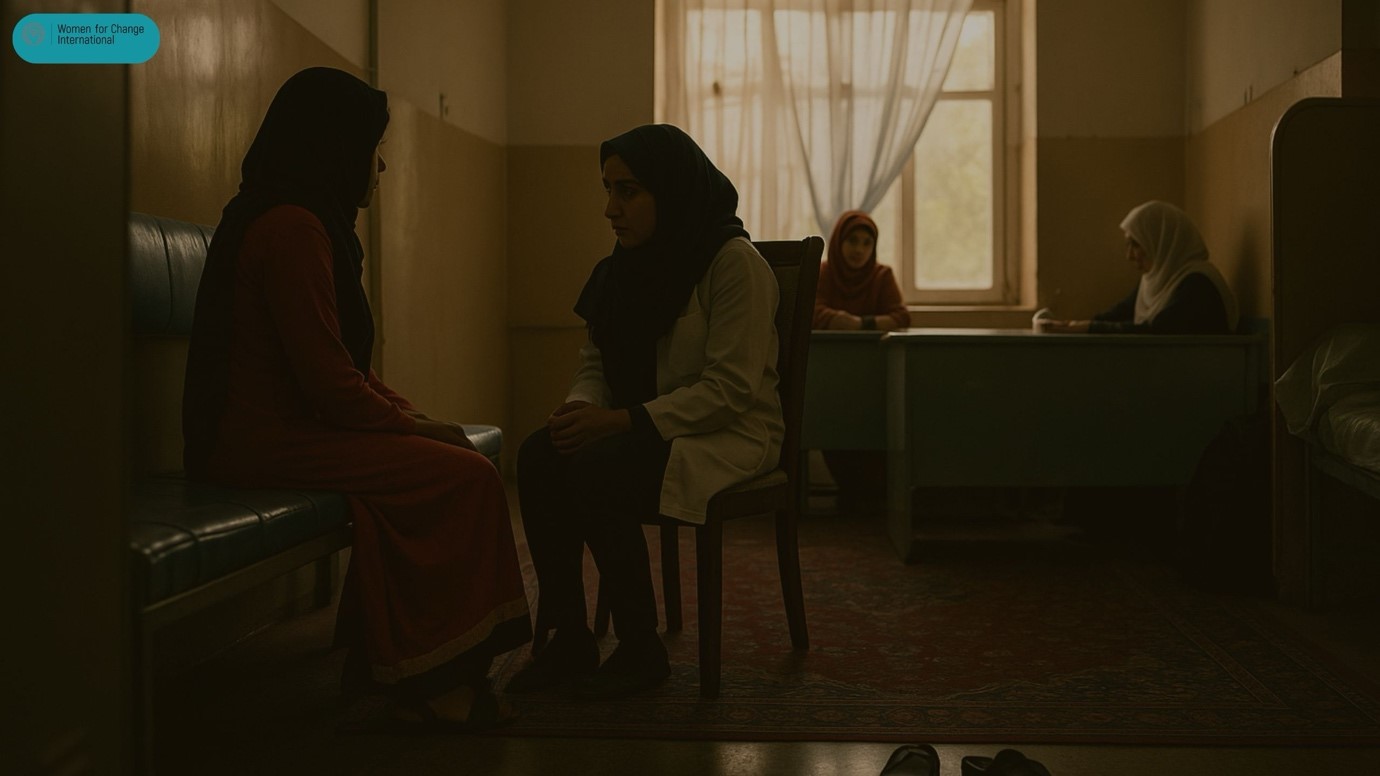
For many Afghans, especially women, there has never been a safe or accessible place to speak openly about mental health. Our platform changes that. By offering a secure digital space where participants can connect with therapists and peers through text, voice, or video, we are giving people a place to be heard, often for the first time. This alone has a profound impact: reducing isolation, easing the burden of untreated distress, and reminding participants that they are not alone.
Because mental health in Afghan households is deeply interconnected, supporting one family member often creates ripple effects for the whole family. A mother’s wellbeing shapes her children’s; a father’s mental health shapes the stability of the household. By taking a family-focused approach, our program’s impact reaches beyond the individual participant, contributing to healthier, more stable households and, over time, more cohesive communities.
To make sure our impact reaches as many people as possible, we launched Mind Nest, a mobile app built from a year of recorded sessions led by our program’s doctor. This means the knowledge and support shared in our sessions isn’t limited to those who could attend live, women can now access this library of sessions anytime, from anywhere, using nothing more than a smartphone.
Every conversation made possible through this platform chips away at the silence and shame that has long surrounded mental health in Afghanistan. As more people engage in therapy and peer support, and as more practitioners are trained to provide it, the surrounding stigma begins to shift. This cultural change is one of the most significant, if hardest to measure, forms of impact this program creates.
Ultimately, this program is about more than individual care, it’s about rebuilding the trust, connection, and stability that decades of conflict have eroded. Every participant supported, every practitioner trained, and every conversation made possible, whether live or through Mind Nest, is a step toward a more resilient and connected Afghan society.


 Mind Nest is a direct result of our Mental Health Platform project. Over the past year, our program has offered ongoing sessions led by a professional doctor, covering topics essential to mental health and wellbeing. Rather than letting this knowledge remain limited to those who could attend live, we made the decision to record these sessions and compile the accompanying slides into one accessible place: the Mind Nest app.


